
Expertise & Services
Interventional Cardiology & Advanced Heart Care
Specialist evaluation, coronary interventions, vascular procedures and cardiac investigations led by Dr. Kondapaka Kiran Kumar in Karimnagar.
Every investigation or procedure is considered after clinical assessment, review of available reports and a clear discussion of the appropriate next step.
- Coronary interventions
- Vascular procedures
- Cardiac investigations
Clinical Expertise
Specialist care across the cardiac journey
From careful evaluation and non-invasive testing to catheter-based coronary and peripheral vascular procedures.
Interventional Cardiology
Catheter-based evaluation and treatment planning for coronary and selected peripheral vascular conditions.
Coronary & Vascular Procedures
Angiography, angioplasty and stent procedures selected according to clinical findings and individual need.
Evaluation & Diagnostics
Clinical assessment supported by appropriate cardiac investigations, monitoring and risk-focused follow-up.
Focused Cardiac Services
Specialist services with a clear care pathway
Explore key services on this page. Each service is planned only after consultation, review of reports and assessment of clinical suitability.
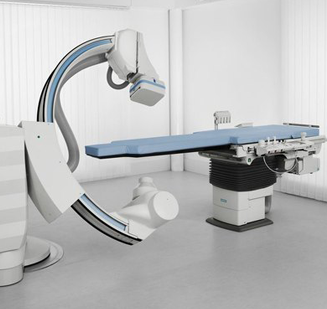
Coronary Interventions
Angiography, angioplasty, stenting and selected complex coronary procedures.
View coronary services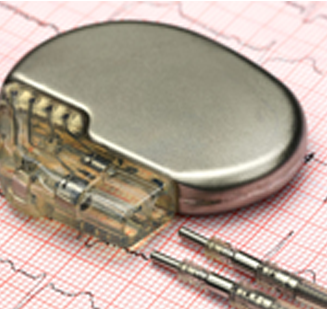
Pacemaker & Cardiac Devices
Assessment, device planning and follow-up for clinically appropriate patients.
View pacemaker care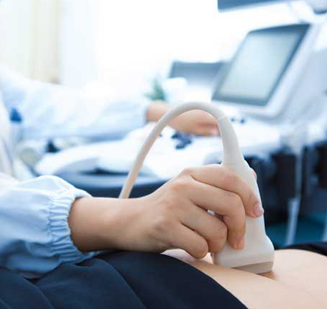
Advanced Cardiac Imaging
Echocardiography, intravascular imaging and appropriate diagnostic evaluation.
View cardiac imaging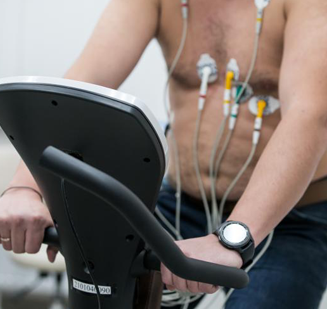
Stress Testing & Prevention
Risk-focused assessment, exercise testing and long-term cardiovascular planning.
View preventive careCardiac Services
Treatments, procedures and investigations
A structured overview of the cardiology services currently represented in Dr. Kiran’s professional information.
Coronary Interventions
Evaluation and catheter-based treatment of coronary artery disease when clinically appropriate.
- Coronary Angiography
Contrast imaging used to examine the coronary arteries and support treatment decisions.
- Coronary Angioplasty
A minimally invasive procedure intended to improve blood flow through a narrowed or blocked coronary artery.
- Coronary Stent Placement
Placement of a stent to support the treated artery and help maintain blood flow.
- CT Coronary Angiography
Non-invasive CT imaging of the coronary arteries when appropriate for the clinical question.
- Complex Coronary Intervention
Selected complex coronary procedures supported by specialised techniques when clinically appropriate.
- IVUS & OCT Guidance
Intravascular ultrasound and optical coherence tomography may be used to support detailed coronary assessment and treatment planning.
- IVL & Rotablation
Selected calcium-modification techniques for complex coronary disease when indicated.
Peripheral Vascular Procedures
Catheter-based care for selected narrowed or blocked arteries outside the heart.
- Peripheral Angioplasty
Balloon-based treatment intended to improve blood flow through a narrowed peripheral artery.
- Peripheral Stenting
Stent placement to support a treated peripheral artery when indicated.
Balloon Valvuloplasty
A catheter-based procedure used in selected patients to widen a narrowed heart valve.
- Clinical & Imaging Assessment
Symptoms, examination and cardiac imaging are reviewed to determine whether the procedure may be appropriate.
- Balloon Dilatation
A balloon catheter is used to improve opening of a narrowed valve in carefully selected cases.
- Post-Procedure Follow-Up
Follow-up is planned according to the valve condition, symptoms and treatment response.
Investigations & Evaluation
Tests selected to assess heart structure, rhythm, function and exercise response.
- Echocardiography
Ultrasound imaging used to assess the heart’s structure and function.
- Holter Monitoring
Portable rhythm monitoring over an extended period to record intermittent heart-rhythm changes.
- Treadmill / Stress Testing
Supervised assessment of the heart’s response to controlled physical exertion.
- Comprehensive Cardiac Evaluation
Clinical review of symptoms, examination, reports and risk factors to guide the next step.
- Advanced Cardiac Imaging
Appropriate imaging may support diagnosis, procedural planning and follow-up.
Pacemaker & Cardiac Devices
Evaluation and device care for selected rhythm conditions when clinically indicated.
- Pacemaker Evaluation
Clinical assessment and rhythm testing to determine whether pacemaker support may be appropriate.
- Pacemaker Procedure Planning
Device selection and procedural planning based on the rhythm condition and individual clinical needs.
- Device Follow-Up
Review of symptoms, device function and ongoing cardiac care after implantation.
Lipid & Cholesterol Management
Risk-based assessment and ongoing management of cholesterol and related cardiovascular risk factors.
- Lipid Profile Review
Interpretation of cholesterol results in the context of medical history and overall cardiovascular risk.
- Cholesterol Management
Individualised lifestyle and medical planning where clinically appropriate.
- Risk-Factor Follow-Up
Continuing review of blood pressure, diabetes, smoking, weight and other relevant risk factors.
Prevention & Medical Management
Risk-focused evaluation and continuing management for cardiovascular health.
- Preventive Cardiology
Assessment and guidance focused on cardiovascular risk factors and long-term heart health.
- Heart Disease Management
Ongoing specialist review and treatment planning for diagnosed cardiovascular conditions.
- Thrombolysis
Urgent clot-dissolving treatment for selected patients when clinically indicated in an appropriately equipped hospital setting.
Care Pathway
A clear process from evaluation to follow-up
Cardiac care begins with understanding the concern and selecting the right next step—not with an automatic test or procedure.
- 01Clinical consultation
Review symptoms, medical history, medicines and available reports.
- 02Appropriate investigation
Select testing that addresses the clinical question and supports a responsible decision.
- 03Treatment discussion
Explain findings, options, expected benefits, important risks and alternatives.
- 04Follow-up plan
Provide practical guidance for medicines, risk-factor care and ongoing review.
When to Seek Evaluation
Concerns worth discussing with a cardiologist
These concerns do not confirm a heart condition, but they may warrant timely medical evaluation.
- Chest discomfort or pressure
- Unexplained breathlessness
- Palpitations or irregular heartbeat
- Dizziness or fainting episodes
- Reduced exercise tolerance or swelling
- Cardiac risk factors or abnormal test results
Frequently Asked Questions
Helpful answers before your cardiology visit
General guidance about consultations, reports, investigations and coronary procedures. Individual advice requires a clinical assessment.
Explore Patient EducationWhen should I consult Dr. Kondapaka Kiran Kumar?
A cardiology consultation may be appropriate for chest discomfort, unexplained breathlessness, palpitations, fainting, reduced exercise tolerance, swelling, cardiovascular risk factors or an abnormal cardiac report. Severe or persistent chest pain, sudden breathlessness or collapse requires immediate emergency care rather than a routine appointment.
What should I bring to my cardiology appointment?
Bring available ECGs, scans, laboratory reports, discharge summaries and previous procedure records. Carry a current medicine list with doses, known allergies and a brief note describing when symptoms began, how long they last and what appears to trigger them.
Which heart tests might be recommended?
The appropriate test depends on symptoms, examination, medical history and existing reports. Depending on the clinical question, the doctor may discuss an ECG, echocardiogram, Holter monitoring, stress testing or other investigations. Not every patient needs every test.
Are coronary angiography, angioplasty and stenting the same?
No. Coronary angiography is used to examine the coronary arteries. Angioplasty is a catheter-based treatment used in selected cases to improve blood flow, and a stent may be placed to support the treated artery. An angiogram does not automatically lead to angioplasty or stenting.
How can I book a consultation with Dr. Kiran?
Call +91 76748 98598 to request an appointment at Sunrise Hospitals, Karimnagar. This number is for appointments and is not an emergency service.