
Cardiovascular Risk Care
Lipid & Cholesterol Management
Risk-based assessment and a practical plan for cholesterol and related cardiovascular risk factors.
A lipid result is interpreted alongside age, blood pressure, diabetes, smoking, family history and any established heart or vascular disease.
- Lipid profile review
- Individual treatment targets
- Ongoing risk monitoring
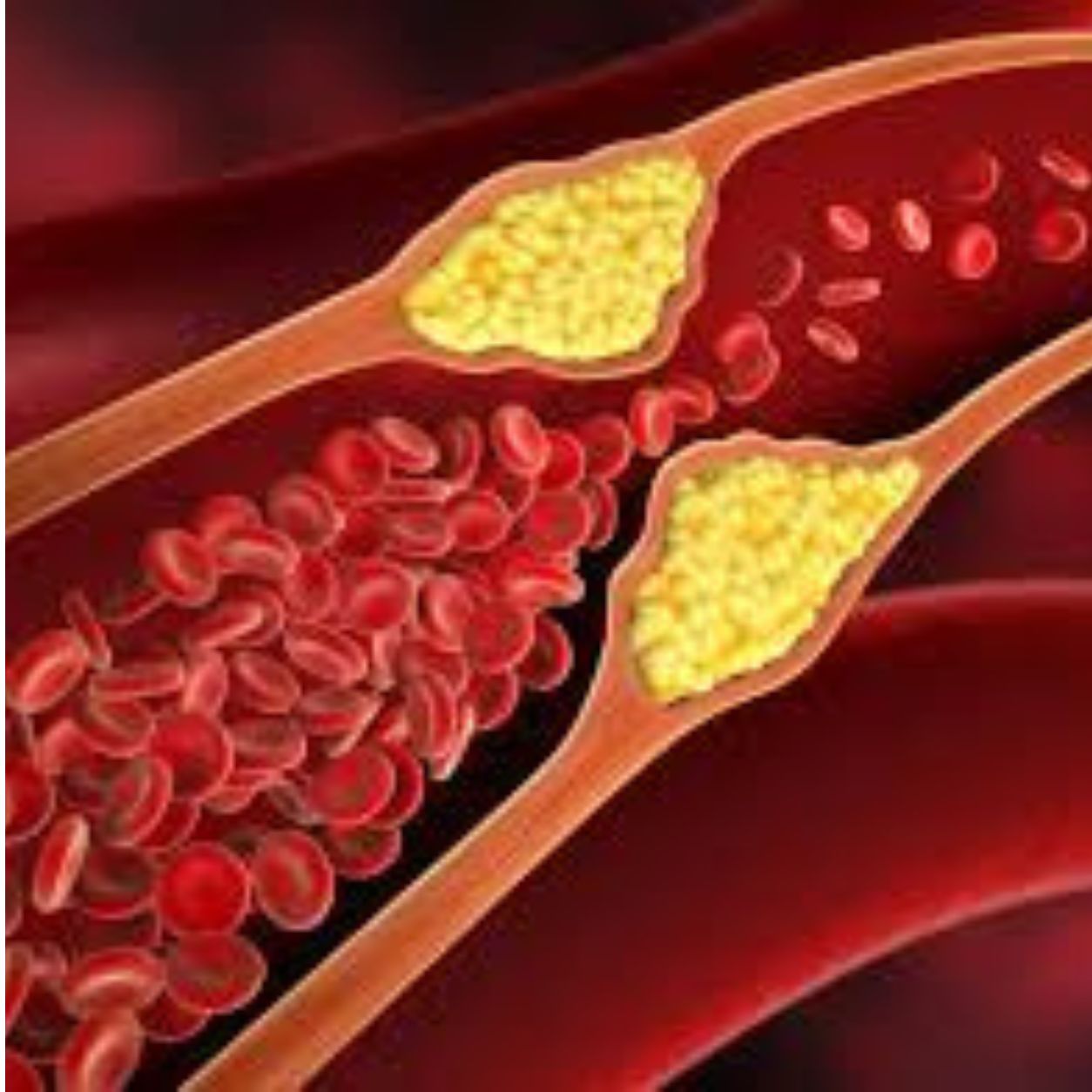
Service Overview
More than a single cholesterol number
The goal is to understand overall cardiovascular risk, agree on an appropriate target and monitor both response and tolerance.
Risk Assessment
Review medical history, family history, lifestyle, blood pressure, diabetes and existing vascular disease.
Personalised Plan
Combine practical nutrition and activity guidance with medicines when clinically appropriate.
Monitoring
Repeat testing and clinical review help assess response, adherence and any treatment concerns.
What We Review
Building a complete cardiovascular risk picture
- LDL, HDL, triglycerides and total cholesterol
- Previous heart attack, stroke, stent or peripheral artery disease
- Diabetes, high blood pressure, kidney disease and smoking
- Family history of early heart disease or markedly high cholesterol
- Current medicines, adherence and possible side effects
Care Pathway
A practical plan for sustained risk reduction
- 1
Review risk and results
Interpret lipid levels in the context of the person’s full cardiovascular profile.
- 2
Agree on priorities
Identify meaningful nutrition, activity, weight, smoking and medicine goals.
- 3
Start or refine treatment
Select an evidence-based plan according to risk, previous treatment and tolerance.
- 4
Monitor and adjust
Review results and practical barriers, then update the plan when needed.
Frequently Asked Questions
Cholesterol management FAQs
Targets and treatment intensity differ according to cardiovascular risk.
Can cholesterol be high without symptoms?
Yes. High cholesterol often causes no symptoms, which is why testing and risk assessment are important.
Is diet alone always enough?
Lifestyle is essential, but some people need medicine because of their cholesterol level, inherited risk or established cardiovascular disease.
Why can LDL targets differ between people?
The appropriate goal depends on overall risk. Someone with previous heart or vascular disease may need a more intensive plan than someone at lower risk.
How soon should a lipid test be repeated?
The interval depends on the treatment change, risk level and clinical plan. Your clinician will advise the timing.
Specialist Consultation
Review your lipid reports and cardiovascular risk
Consult Dr. Kondapaka Kiran Kumar at Sunrise Hospitals, Karimnagar.