
Heart Rhythm Support
Pacemaker & Cardiac Devices
Evaluation, device planning and ongoing follow-up for selected heart-rhythm conditions.
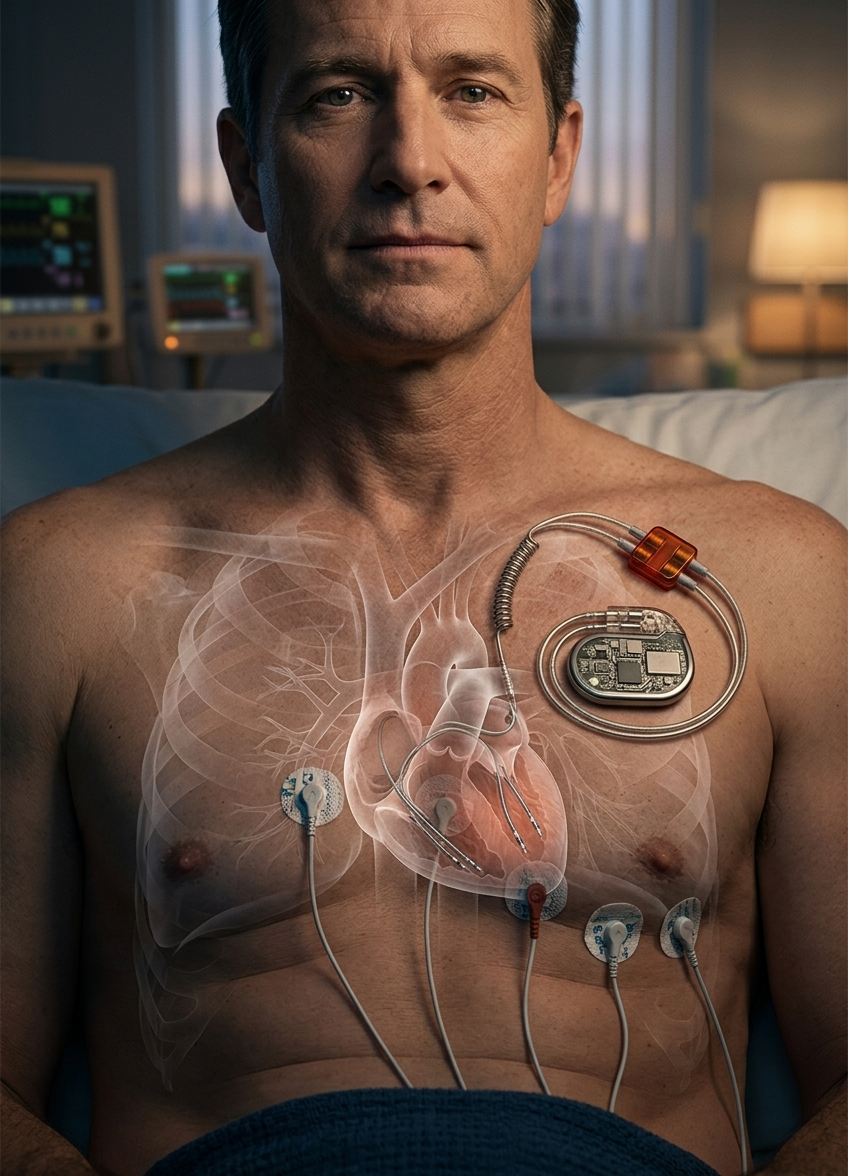
A pacemaker can support a heart that beats too slowly or has certain electrical-conduction problems. The need for a device is established through symptoms, rhythm records and clinical assessment.
- Rhythm evaluation
- Procedure planning
- Device follow-up
Service Overview
Supporting an appropriate heart rate and rhythm
A pacemaker monitors the heartbeat and delivers small electrical impulses when needed. Device selection and programming are personalised.
Rhythm Diagnosis
ECG, Holter monitoring and symptom correlation help identify clinically important slow rhythms or conduction problems.
Device Planning
The pacemaker type, leads and procedural plan are selected according to the rhythm condition and clinical needs.
Long-Term Checks
Device function, battery, leads, stored rhythm information and symptoms are reviewed at scheduled follow-up.
Clinical Assessment
When pacemaker evaluation may be needed
Symptoms alone do not confirm the need for a pacemaker. Linking symptoms to a documented rhythm problem is an important part of the decision.
- Fainting or near-fainting with a suspected slow rhythm
- Persistent fatigue, weakness or exercise intolerance
- Documented bradycardia or significant pauses
- Heart block or another electrical-conduction problem
- Review of an existing device, wound or lead concern
Care Pathway
Device care before and after implantation
- 1
Confirm the rhythm problem
Review symptoms and rhythm recordings to define the indication.
- 2
Discuss the procedure
Explain device options, preparation, expected benefit, important risks and alternatives.
- 3
Implant and programme
Place the device in a hospital setting and configure it for the individual rhythm need.
- 4
Wound and device review
Check healing, symptoms and device function, followed by scheduled long-term monitoring.
Frequently Asked Questions
Pacemaker and device FAQs
Individual instructions from the treating team take priority over general information.
Does a pacemaker cure the underlying heart condition?
A pacemaker treats selected rhythm problems by supporting the heart rate. Other heart conditions and risk factors may still need separate care.
How often is a pacemaker checked?
The schedule depends on the device, time since implantation, battery status and symptoms. The treating team provides the follow-up plan.
Can I use a mobile phone?
Most patients can, with sensible precautions and attention to device-specific guidance. Ask the device clinic about safe positioning and strong magnetic fields.
What wound changes should be reported?
Increasing redness, swelling, warmth, drainage, fever or worsening pain should be reported promptly.
Specialist Consultation
Review rhythm symptoms or an existing device
Consult Dr. Kondapaka Kiran Kumar at Sunrise Hospitals, Karimnagar.